
Custom ESG Taxonomies – The Way Forward
As global sustainable investing assets are projected to surpass USD 50 trillion by 2025, Environmental, Social, and Governance (ESG) considerations are becoming increasingly vital to financial and corporate strategy. While standardized ESG reporting frameworks such as the Global Reporting Initiative (GRI) and the Sustainability Accounting Standards Board (SASB) provide a baseline for disclosure, they often fail to reflect the specific priorities and nuances of individual businesses. This shortfall limits the strategic utility of ESG data and its potential to drive meaningful value creation. The solution lies in the adoption of custom ESG taxonomies tailored metrics that align more closely with a company’s unique industry, operations, and strategic objectives. This article explores how custom ESG taxonomies unlock deeper ESG value creation, support integrated ESG strategy development, and enable more meaningful, tailored ESG reporting.
Enhancing ESG Value through Customization
Standard ESG frameworks typically aim for comparability across organizations, but this broad-brush approach often overlooks material issues unique to specific industries or business models. Custom ESG taxonomies fill this gap by enabling companies to define and track the ESG factors that are most relevant to their long-term performance.
Considering a manufacturing firm, a generic framework might track overall energy usage, but a customized approach could assess the sustainability of specific energy sources, circularity in material use, and the localized effects of emissions. According to the Ellen MacArthur Foundation, companies with strong circular practices can cut material costs by up to 20%. This type of focused insight can drive efficiency, mitigate key risks, and strengthen stakeholder trust.
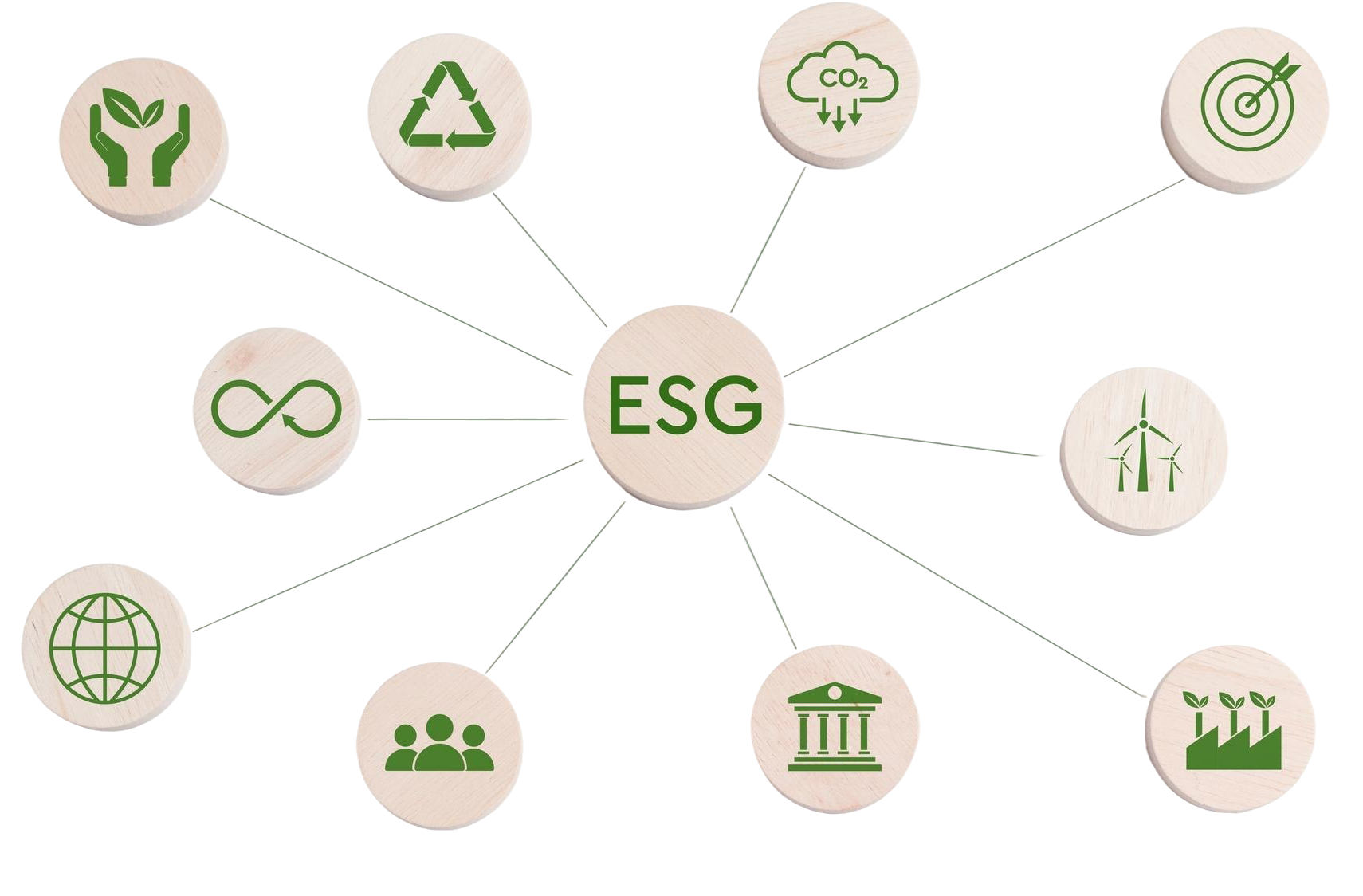
Custom ESG taxonomies help transform ESG from a compliance exercise into a strategic asset. They offer a clearer, more accurate picture of sustainability performance and their alignment with business goals, supporting informed decision-making, better resource allocation, and stronger investor communication. This is exactly how NeoImpact helps public and private firms in their ESG integration and ESG implementation journey.
Embedding Custom Metrics into ESG Strategy Development
Effective ESG strategy is not one-size-fits-all. Custom ESG taxonomies are essential for embedding sustainability into the core business strategy. By identifying ESG factors that directly impact an organization’s risks and opportunities, companies can set meaningful goals, launch focused initiatives, and track progress in ways that drive real impact.
For instance, in agriculture, water scarcity and soil health are critical to long-term viability. A tailored taxonomy might focus on water use efficiency, soil degradation, and regenerative practices more pertinent than generic environmental disclosures. Ignoring these specifics would obscure the actual sustainability risks and opportunities faced by the company.
Customized ESG metrics also lead to more efficient use of resources, targeted innovation, and improved risk management. A study by Harvard Business Review found that companies with well-integrated ESG strategies financially outperform peers over the long term. As one CEO put it: “Our custom ESG framework allows us to communicate progress on the issues most critical to our business and stakeholders, fostering trust and accountability.”
Application, Impact and the Role of ESG Intelligence Platforms
Custom ESG taxonomies are applicable across all business functions. Operations teams can use them to identify efficient opportunities, HR can track employee well-being and inclusion, and investor relations can craft more compelling ESG narratives. These tailored approaches lead to better stakeholder engagement and smarter business decisions.
The implications of this trend are profound. As more organizations move beyond generic ESG reporting, the result will be increased transparency, more accurate sustainability disclosures, and accelerated innovation in sustainable practices. Moving forward, there is a clear need for industry-specific guidelines that support customization while maintaining some level of comparability. Regulatory bodies may also begin encouraging or mandating tailored ESG disclosures to provide a more accurate reflection of corporate sustainability.
A variety of stakeholders benefit from this shift: Investors gain access to decision-useful ESG data. Consumers can align purchasing choices with personal values. Employees are drawn to companies with visible commitments to ESG principles. Regulators and communities benefit from increased corporate accountability and clearer insight into sustainability efforts.
Advanced features like analytics and visualization tools help organizations extract deeper insights, identify performance gaps, and uncover new opportunities for sustainability-driven value creation. Central to the implementation of custom ESG taxonomies are ESG intelligence platforms like NeoImpact. We support the creation, management, and analysis of tailored ESG metrics, which include fundamental ESG metrics and alternative ESG metrics. We streamline data collection, target tracking, and customized reporting for different stakeholder groups.
Conclusion
The evolution from standard ESG frameworks to Custom ESG taxonomies marks a significant shift in corporate sustainability. By tailoring ESG metrics to what matters most, companies can unlock deeper strategic value, embed sustainability into core operations, and improve communication with stakeholders. This move beyond compliance creates opportunities for operational improvement, innovation, and long-term resilience.